Kawneer - AIA Continuing Education System
Kawneer has created a variety of courses to keep you up-to-date with changing industry standards. Kawneer is a registered provider with the AIA Continuing Education System. Currently registered AIA Continuing Education programs that qualify for Health, Safety and Welfare (HSW) credits and Learning Units (LU) are shown below. Additional programs will be added as they become available.
For additional information regarding training on AIA Continuing Education System registered courses contact the Kawneer Architectural Services Team (AST) or your local Kawneer Sales Representative
AIA continuing education system information is available from AIA at www.aia.org or http://www.aia.org/ces_default.
| K99100 | Thermal Barriers in Aluminum Fenestration Systems | |
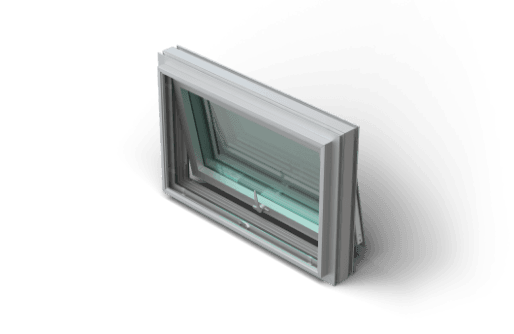
| This program was developed to provide an understanding of the performance of thermal barriers in glazing systems. This program explores various design methods used to provide improved thermal performance in window, curtain wall and door systems by reducing heat/cold transfer through the glazing system. 1 Hour / 1 LU (HSW) | ||
| K99101 | Curtain Wall Design and Selection | |
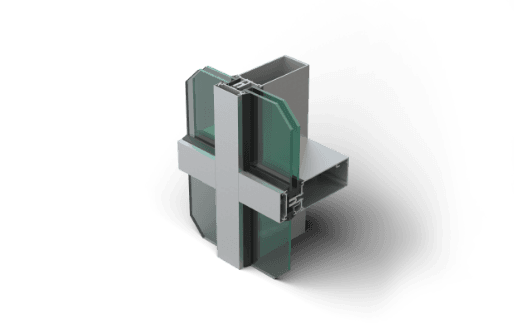
| A program developed to provide a basic understanding of Curtain wall design. Design development of Stick and Unitized Curtain walls will be explored as will aesthetic options available with each Curtain Wall type. Moisture control, air barriers and structural performance are also addressed. 1 Hour/ 1 LUs (HSW) | ||
| K99103 | Basics of Aluminum Entrances & Entrance Hardware | |
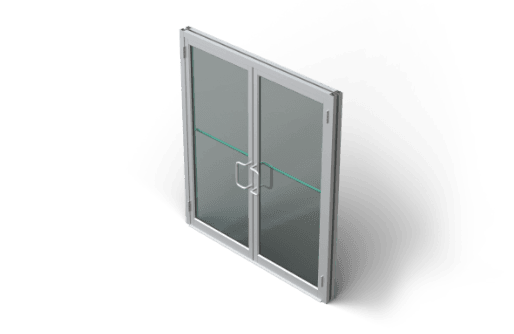
| A program that discusses the many different applications for aluminum swing doors. Review of typical nomenclature for entrance doors. This program also explores common criteria that building owners and architects typically look at before selecting a type of door and hardware for a project. 3 Hours/ 3 LUs (HSW) | ||
| K99104 | Basics of Aluminum Framing | |
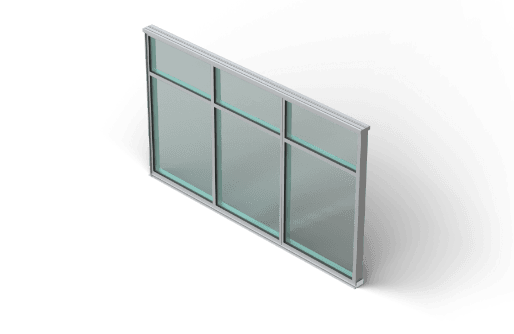
| This technical program discusses the proper application and selection of storefront framing systems and their appropriate components. A review of common storefront nomenclature plus structural loading and anchorage is included. 1 Hour/ 1 LU (HSW) | ||
| K99106 | When Should I Use Curtain Wall or Storefront Construction | |
| A program developed to provide a basic understanding of the differences between Curtain Wall and Storefront designs and functions. Overviews of Installation and Water Performance are also presented. This program may be used in concert with K99107. 1 Hour/ 1 LU (HSW) | ||
| K99107 | Storefront vs. Curtain Wall | |
| A program developed to provide a better understanding of the differences between Curtain Wall and Storefront designs and functions. This program further explores the subjects found in with K99106. Additional information relative to performance, cost and applications are also explored. 1 Hour/ 1 LU (HSW) | ||
| K99108 | Basics of the Anodizing Process | |
| A program developed to answer the question, “What is anodizing?” This program discusses common anodized finish types (classes), available colors, AAMA Finish designations and the multi-step process by which the anodized finish is created. 1 Hour/ 1 LU (HSW) | ||
| K00109 | BIPV Building Integrated Photovoltaics | |
| This training program is developed to provide a better understanding of the principles of BIPV and the products available to make such integration possible. Applications for electricity generating building materials are discussed. Stand-alone and Grid-Connected Photovoltaic applications will be explored. 1 Hour/ 1 LU (HSW) | ||
| K02112 | Hurricane Wind Loading and Impact Resistance | |
| This program is developed to provide a better understanding of the requirements for wind-borne debris protection. As coastal populations and development increase, the threat of injuries, deaths and damage to property during hurricanes and violent storms has intensified. A major cause of property damage and injury is the penetration of the building envelope by wind-borne debris. This program explores the standards to which protection products must be designed and tested. 1 Hour/ 1 LU (HSW) | ||
| K_ILFF_12_114 | Preventable Curtain Wall Failures | |
| Curtain wall systems are designed to protect the interior of a commercial building from the often harsh exterior environment. A curtain wall failure can be easy to resolve or lead to a lengthy and expensive remediation process. In many cases, curtain wall failures are caused by fairly simple errors that occur during the fabrication and installation process. These are errors that could easily be prevented by a wider awareness of how curtain walls perform and how to install them so they can perform as intended. All stakeholders in a commercial curtain wall project should have a high level understanding of the few errors that cause the majority of in-field failures. This presentation will highlight these errors so that all stakeholders will have a better understanding of what they should be looking for to ensure a safe and successful curtain wall application. 1 Hour/1 CEH/HSW |

Premium Content