


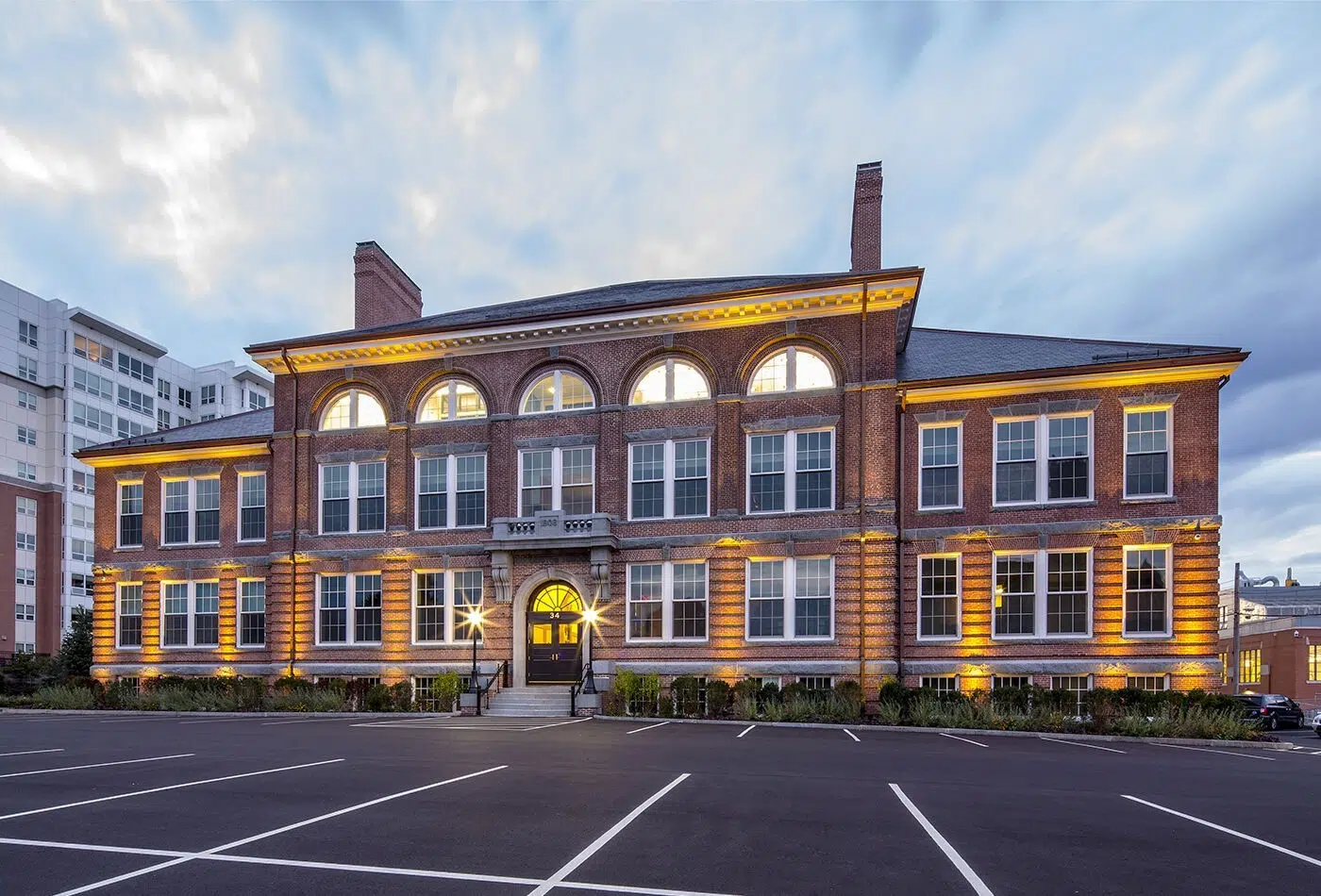
Adaptive reuse is redefining how architects approach the built environment. Instead of starting from the ground up, more projects are beginning with what already exists. Existing buildings offer an opportunity to reduce building operational carbon, minimizing demolition waste, and respond to growing sustainability expectations. Retaining these structures helps lower lifecycle emissions and extend the value of materials already in place.
Yet the success of adaptive reuse projects is rarely determined by structure alone. In a recent conversation, Chris Giovannielli, Director of Product Management at Kawneer, emphasized that facade strategy is often the factor that determines whether reuse is viable at all. The building envelope is where performance gaps become most visible and where the greatest opportunities for transformation exist.
Many existing buildings were designed to a different set of standards. As they are brought forward to meet current codes, the facade frequently becomes a limiting factor. Aging glazing systems, inefficient thermal performance, and limited daylighting can prevent a building from meeting modern expectations. At the same time, energy codes are becoming more rigorous, placing pressure on retrofit projects to perform closer to new construction.
This creates a clear tension. Adaptive reuse delivers environmental benefits by retaining the structure, but without meaningful upgrades to the envelope, it can struggle to meet operational requirements. According to Giovannielli, this is where the facade shifts from constraint to enabler.
The environmental argument for reuse is well established, but long-term performance depends on how a building operates. High-performing facade systems help bridge that gap. Improvements in thermal separation, solar control, and daylighting allow existing buildings to operate more efficiently while supporting occupant comfort. Research across the industry reinforces this approach, showing that retaining structures while upgrading performance systems can align both embodied and operational carbon goals.
As a result, facade design is no longer just an aesthetic consideration. It becomes a strategic decision that connects sustainability goals with building performance.
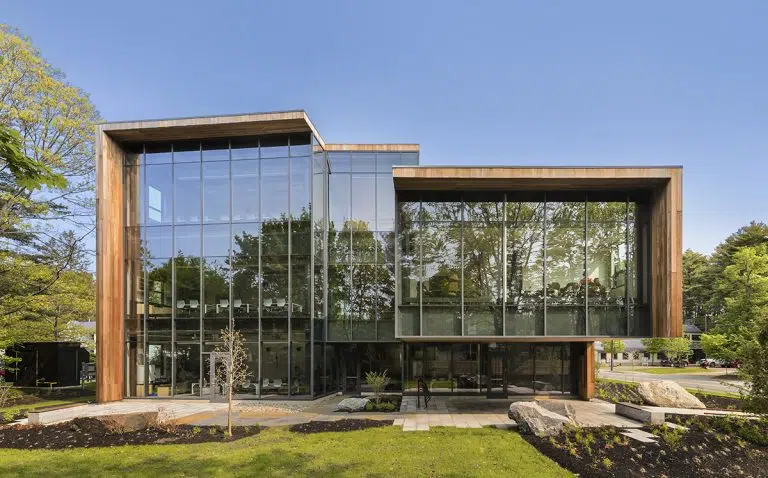
This shift is changing how architects approach the existing envelope. Giovannielli noted that more teams are moving beyond working within facade limitations and instead rethinking it at a system level. In some cases, that means targeted upgrades such as replacing glazing or improving thermal continuity. In others, it opens the door to more comprehensive strategies, including reskinning portions of a building with a new curtain wall system.
For many architects, reskinning can feel complex or overly disruptive. That perception is beginning to shift. Advances in curtain wall systems and installation approaches are making these strategies more achievable than expected. When approached correctly, a reskin can improve thermal performance, introduce modern daylighting, and redefine a building’s architectural expression, often without significant structural changes.
Flexible systems are critical in making that possible. Adaptive reuse rarely offers a clean slate, and variations in alignment, structure, and tolerances must be addressed within the existing framework. Giovannielli emphasized that a facade system’s ability to accommodate those conditions often determines how efficiently a project can move forward.
Solutions such as the Kawneer OptiQ Offset Fixed and Projected Series Window are designed with this adaptability in mind. Offset configurations allow architects to work within existing wall assemblies while introducing a refined, contemporary facade expression. This supports modernization without requiring major structural modification, helping teams balance design intent with constructability.
As cities continue to evolve, the need to reinvest in existing structures will only increase. Adaptive reuse is no longer defined by limitation, but by the opportunity to transform. When facade strategy is approached with intention, it allows architects to unlock new performance, extend building life, and create spaces that feel both current and enduring.


Photography: © Jeff Goldberg/Esto
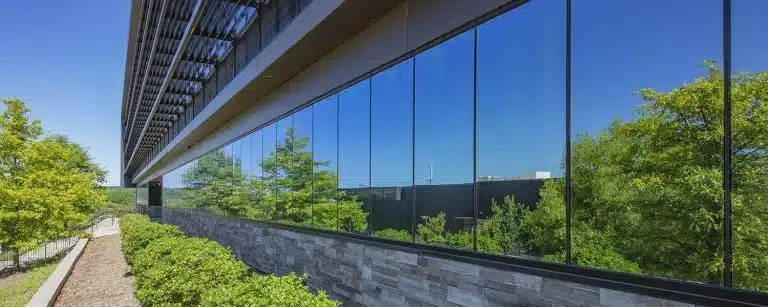

Photography: © Ben Gancsos


Photography: © CJ Berg
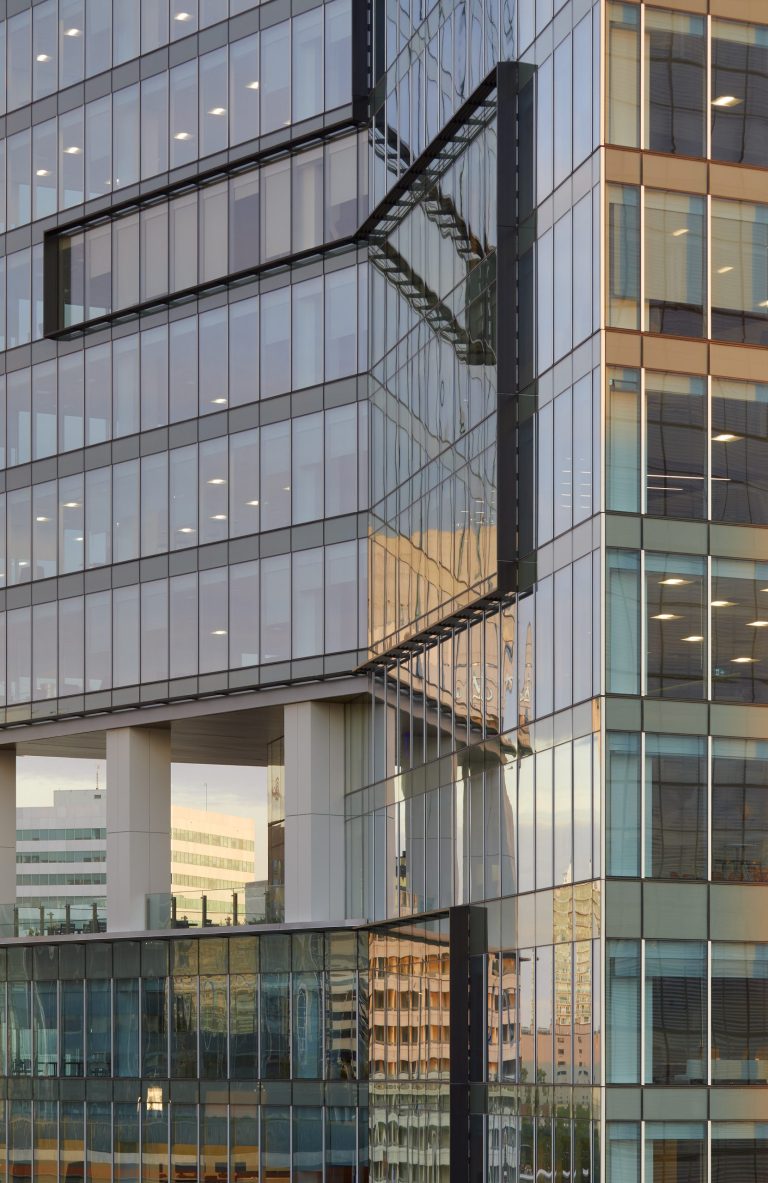

Images courtesy of Bell County Glass Company, Inc.

Sign up to receive email updates on new product announcements, company news and more.