


As federal investment continues to fund airports, transit systems, water infrastructure, and housing developments, Build America Buy America (BABA) is becoming an increasingly important consideration across the construction industry.
Kawneer works with customers on a wide range of federally funded projects, and one pattern continues to emerge: while the intent of BABA is straightforward, how it is applied in practice can be more complex than many teams expect. Those who understand the nuances early may be better positioned to anticipate potential documentation requirements and project considerations.
What Is Build America Buy America?
The Build America Buy America Act, part of the Infrastructure Investment and Jobs Act, establishes domestic sourcing requirements for certain federally funded projects. At a high level, its purpose is to support U.S.-based manufacturing by requiring that a defined portion of materials and products be sourced and produced domestically.
In practice, however, requirements are not uniform. They vary depending on the type of federal funding and the agency overseeing the project. As a result, projects may ultimately be subject to different thresholds for domestic content and different documentation requirements. Understanding how funding influences these expectations is often the first step in navigating BABA effectively.
Where Teams Encounter BABA
BABA may apply to certain federally funded infrastructure projects, particularly in aviation, transportation, water infrastructure, and certain housing developments tied to government programs. In many cases, the requirement is driven less by the building type and more by the funding structure behind it.
Because funding details often shape compliance expectations, sourcing and documentation conversations are increasingly happening earlier in the project lifecycle, often during design and specification. This shift is creating new expectations for alignment across architects, contractors, owners, and manufacturers.
Where Confusion Often Happens
Across the industry, many teams are still working through what BABA means at a practical level. Requirements are sometimes described interchangeably with Buy American or Buy America provisions, even though they are not identical. In other cases, requirements are embedded within contract language and may not be fully understood until later in the project.
Timing is another common source of confusion. Some teams do not become aware of BABA requirements until the bid phase or even at project closeout, when documentation is required. At that stage, validating sourcing or production details can become significantly more complex, particularly if those considerations were not part of the original design or procurement decisions.
Why Early Planning Matters
One of the most consistent lessons from BABA projects is the value of early awareness. When requirements are identified during design and specification, project teams have greater flexibility to align product selection, coordinate with manufacturing partners, and plan for documentation.
When requirements surface later, the process becomes more reactive. Teams may need to revisit earlier decisions, reconstruct sourcing data, or validate production details after the fact. Even when compliance is achievable, the effort required to properly document compliance can increase significantly. Early alignment may help project teams address documentation and sourcing considerations more efficiently.
Domestic Manufacturing and Visibility
As BABA places greater emphasis on traceability, visibility in the manufacturing process becomes increasingly important. Project teams are being asked not only where products are sourced, but also how they are produced and documented.
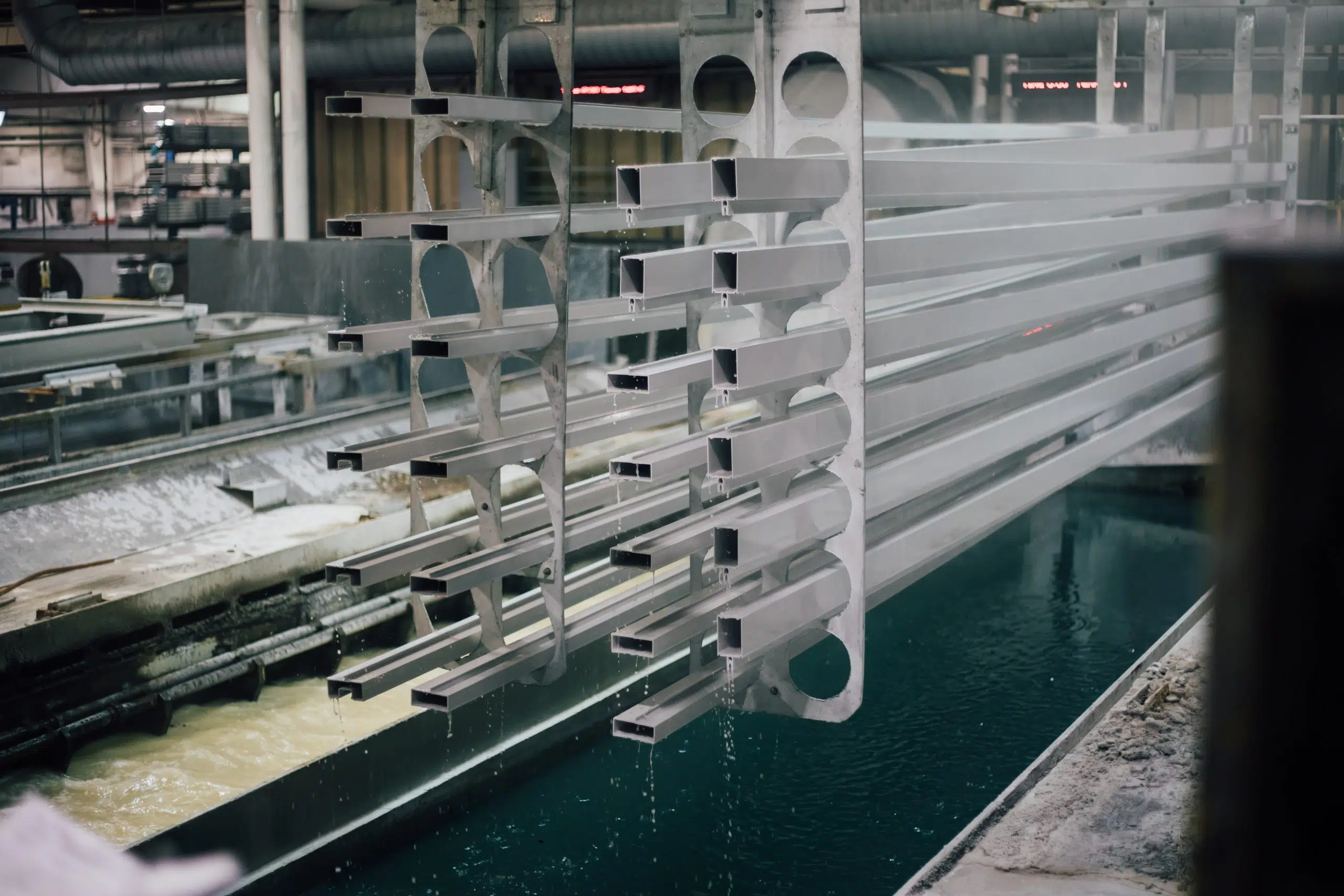
Kawneer’s North American manufacturing footprint, combined with vertically integrated capabilities across extrusion, finishing, and fabrication, provides greater insight into key stages of production. This visibility may assist project teams in evaluating domestic sourcing considerations and gathering information relevant to project documentation requirements.
At the same time, each project must be evaluated individually. Requirements vary, and alignment ultimately depends on how a specific product is manufactured and documented for a given project.
How Kawneer Supports BABA Projects
Kawneer works with project teams to review project-specific manufacturing and sourcing information that may be relevant to BABA-related requirements.
This approach focuses on understanding funding conditions, reviewing product configurations, and supporting traceability through the manufacturing process.
Because BABA requirements may depend on project-specific manufacturing and sourcing details, supporting documentation is often developed as project details are finalized rather than at the bid stage. This distinction reinforces the value of early engagement. When Kawneer is involved during specification, project teams may have greater visibility into sourcing and documentation considerations from the outset.
Setting Clear Expectations
While Kawneer supports projects where BABA may apply, requirements are not one-size-fits-all. They differ based on funding sources and agency oversight, and documentation depends on actual production conditions.
For projects that are already complete or well underway, additional review may be required to determine what documentation is available. Establishing awareness early and maintaining communication throughout the project lifecycle may help project teams reduce uncertainty and better understand applicable sourcing and documentation requirements.
Moving Forward with Confidence
As domestic sourcing requirements continue to evolve, project teams are being asked to navigate these considerations earlier than ever before. Engaging early in the design and specification phase may provide greater visibility into sourcing and documentation considerations as projects move forward.
If you are working on a project that may be subject to BABA requirements, connect with your Kawneer representative to learn more about the resources, processes, and support available to your project team.
This article is provided for general informational purposes only and should not be considered legal advice, compliance advice, or a determination of BABA applicability. Build America Buy America requirements vary by funding source, agency guidance, project scope, and other factors. Project teams should consult their legal counsel, compliance advisors, and applicable contracting authorities regarding project-specific requirements.


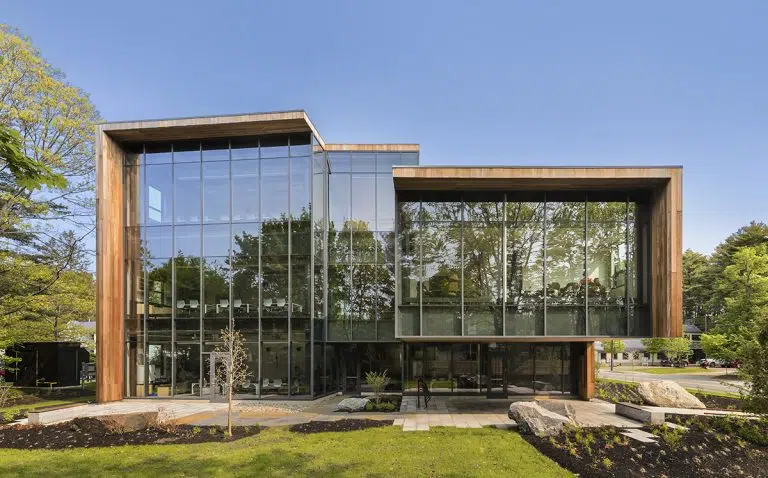
Photography: © Jeff Goldberg/Esto




Photography: © Ben Gancsos


Photography: © CJ Berg


Images courtesy of Bell County Glass Company, Inc.

Sign up to receive email updates on new product announcements, company news and more.