


Photography: © Jeff Goldberg/Esto
Today’s built environments must balance multiple attributes to meet architectural, sustainability, and client standards. As expectations and project complexities increase, architects are prioritizing solutions that help them balance design intent, building performance, and long-term resilience.
During AIA 2026, the Kawneer team spoke with architects to learn about their design and sustainability priorities, and how they’re incorporating these in their practices. These are the top five themes that emerged from those discussions.
Architects are favoring high-performance products that serve multiple functions in their facade designs while helping reduce design, specification, and construction complexity. They also want solutions that help them improve energy efficiency and reduce embodied and operational carbon. With functional, sustainable product selections, they can meet whole building design and sustainability goals.
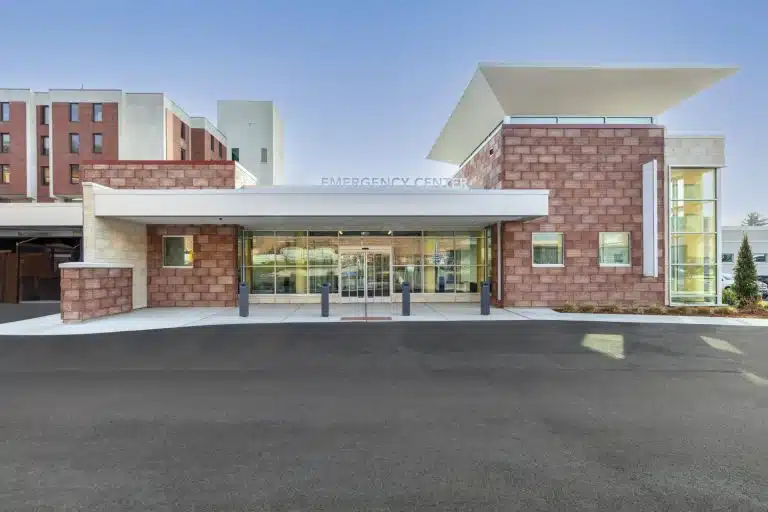
Products like Kawneer’s IR 521/521T/521UT Framing System can be used in multiple applications, like storefronts and healthcare facilities, because of its performance attributes and compliance with AAMA 501.8 Human Impact standards.
Buildings in every climate zone are subject to various weather events that can damage the facade and entire structure. Continued advances in sustainable and circular product innovation are expanding design possibilities while maintaining the performance, durability, and resilience architects require.
With broader availability and selection of resilient materials, architects can design environments that reduce the potential for property damage and occupant harm.
Continued investment in safer products, like the seismic tested MetroView® 4-SSG Window Wall, and responsible practices will also improve long-term industry resilience.
While architects have their own design goals for each project, ultimately, they must meet their clients’ expectations. Building and environmental performance are core components in ensuring adaptability and occupant comfort and wellbeing. This includes thermal performance and energy efficiency, like managing solar heat gain, and overall product durability. Reliable, responsible supply chains improve product availability, further assisting in sustainable specification and maximizing building performance.
Read the case study about our collaborative work on the Robert Day Sciences Center at Claremont McKenna College.
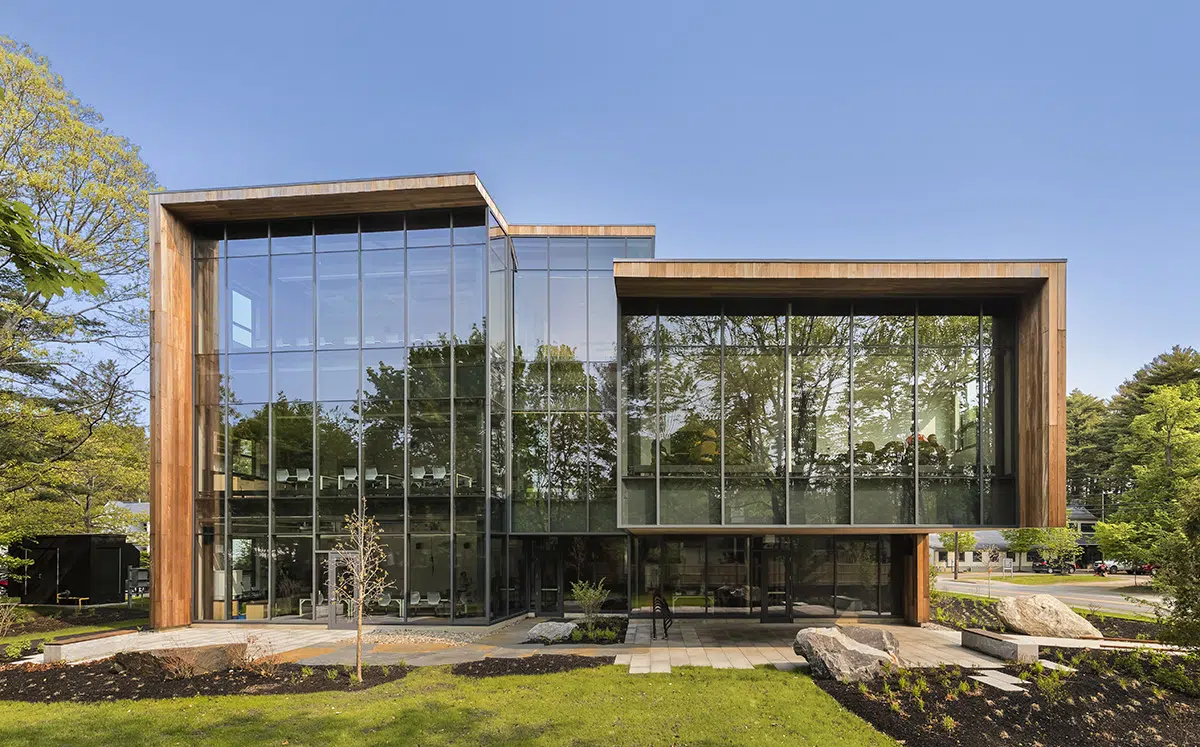
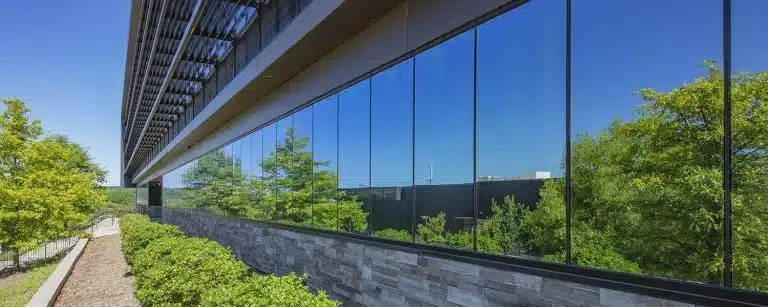
Facades shape expectations and influence the overall outcome of a building’s design. As manufacturers invest in advances in exterior technology, we’re seeing a shift toward greater use of glass in facade design. Design-forward systems and products, combined with high thermal performance technology, create beautiful projects that offer improved performance, protection, and sustainability. The Roux Center for the Environment in Brunswick, Maine, is a great example.
Architects increasingly view manufacturers as project partners, not just product suppliers. Beyond technical expertise, they are looking for more guidance on specification, sustainability strategy, and project performance. Clear, accessible product transparency and environmental performance data supports informed material selection, as well as specification and sustainability documentation. Responsive support, transparent data, and technical expertise create value throughout the design and specification process, helping architects deliver better outcomes for their clients and communities.
If you’re interested in learning more about any of our products or support and training, contact us today.



Photography: © Ben Gancsos


Photography: © CJ Berg

Images courtesy of Bell County Glass Company, Inc.

Sign up to receive email updates on new product announcements, company news and more.